A field guide
Jungian Archetypes in Dreams
Carl Jung noticed that the dreams of people who had never met — across cultures, centuries and mythologies — kept returning to the same figures: the pursuer in the dark, the wise stranger, the devouring mother, the luminous child. He called these recurring patterns archetypes, and believed they belong to a layer of the mind shared by everyone, which he named the collective unconscious.
An archetype is not a fixed symbol with a fixed meaning. It is a shape that your own experience fills in. Learning to recognise these shapes is the first step in reading your dreams the way Jung did. Here are the seven the Atlas tracks.
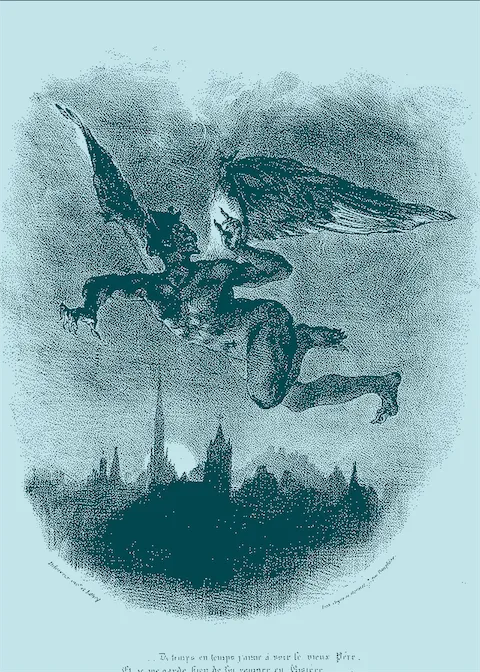
The Shadow
The figure at your back. Everything you have refused to be, still walking behind you.
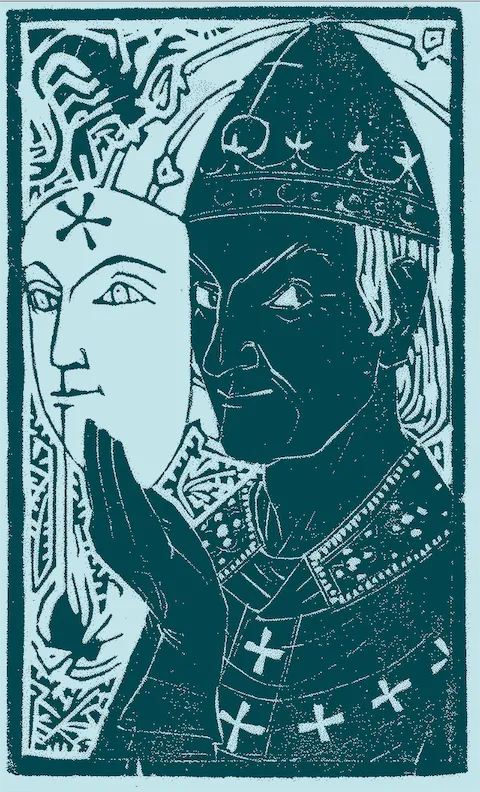
The Persona
The mask you wear to meet the world, and the dreams in which it slips.
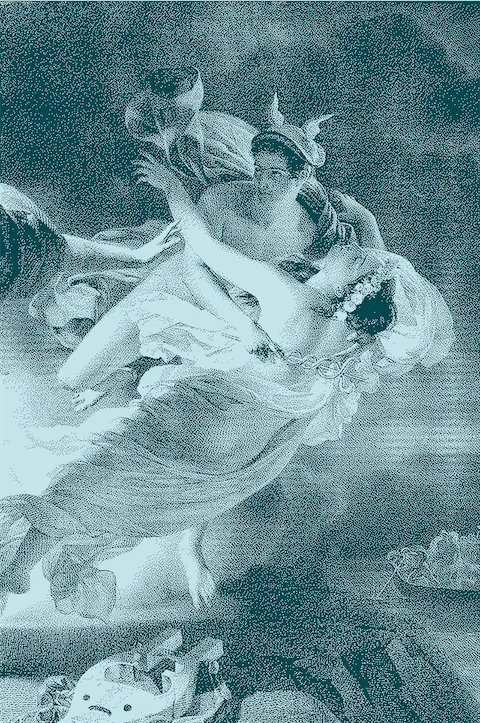
The anima and animus
The stranger who knows the way down. The inner other who leads toward the soul.
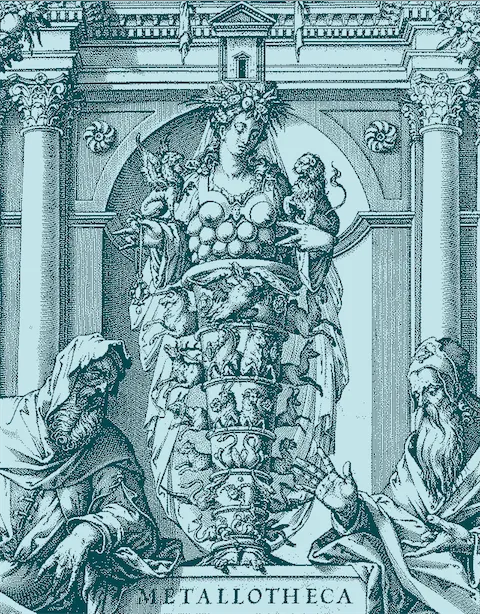
The Great Mother
The source that feeds and the depth that swallows. Two faces of one power.
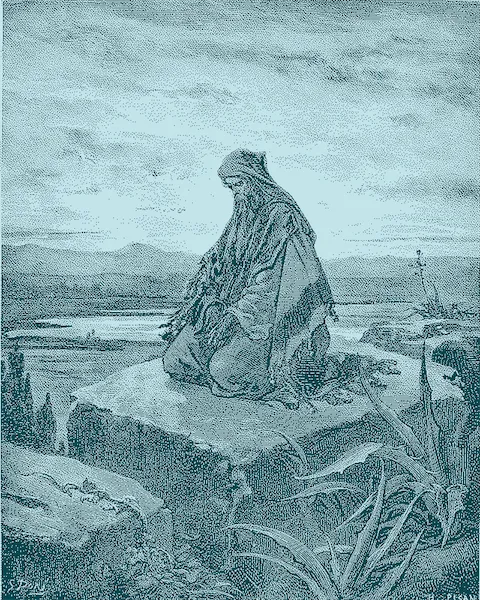
The Wise Old Man
The voice that arrives when you have run out of answers.
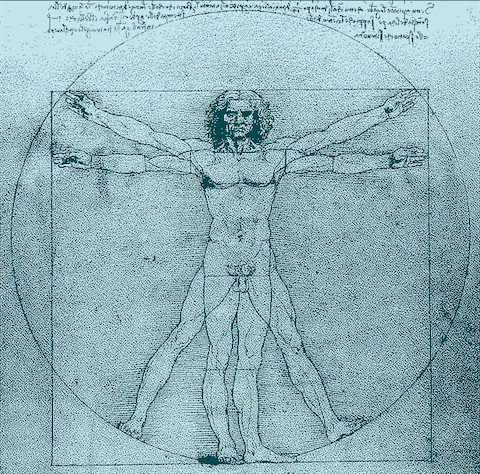
The Self
The centre that holds the whole. The image of what you are becoming.
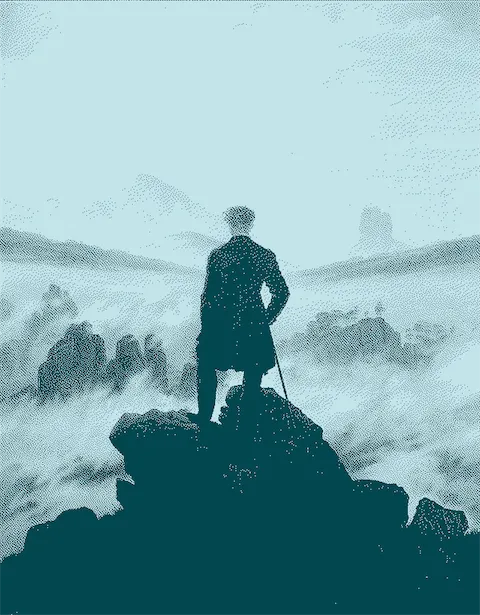
The dream ego
The "I" of the dream — the one who runs, falls, flies, or simply watches.