Jungian archetype
The Shadow Archetype in Dreams
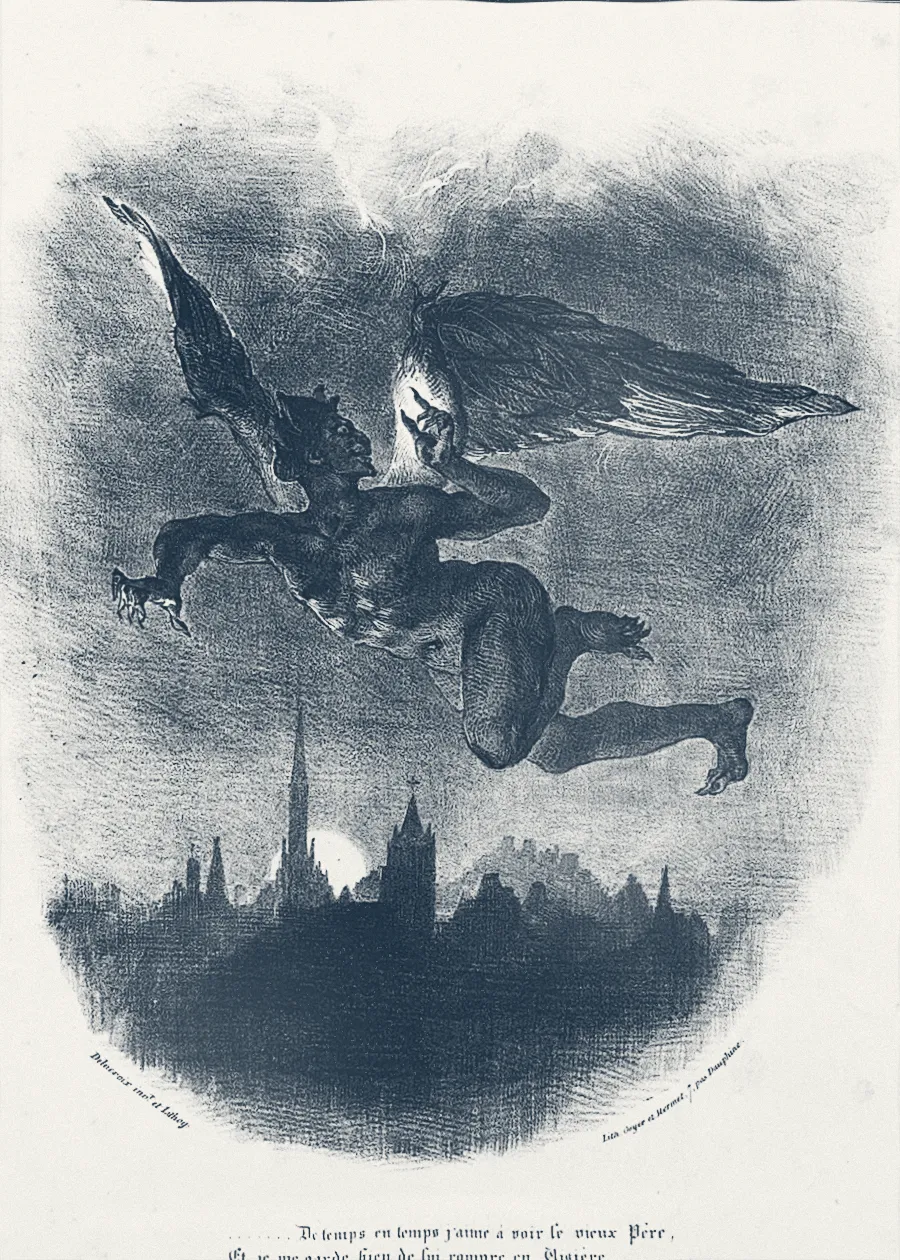
The figure at your back. Everything you have refused to be, still walking behind you.
What is the Shadow?
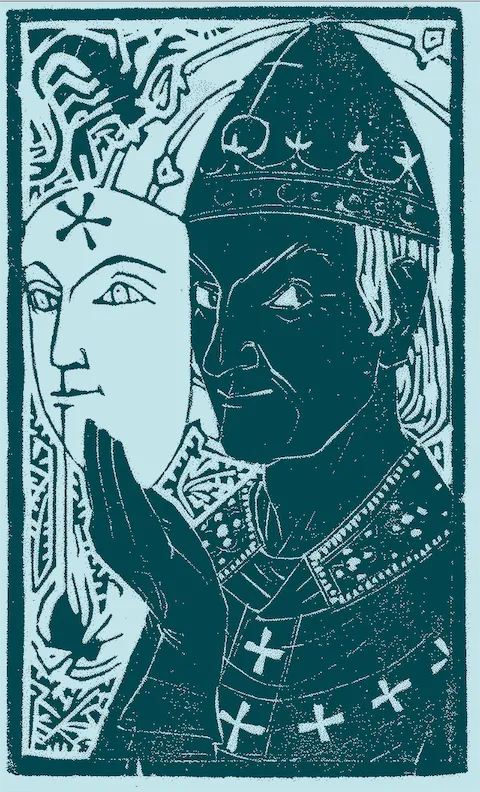
In Carl Jung's psychology, the Shadow is the part of the personality the conscious mind has disowned. It holds the traits, impulses and memories that did not fit the person you set out to become — anger you were not allowed, ambition you were embarrassed by, tenderness that felt unsafe. None of it disappears. It is set aside, and what is set aside goes on living outside the light of attention.
The Shadow is not simply the "bad" side of a person. Because it gathers whatever was rejected, it often carries real strengths: assertiveness in someone who learned to please, play in someone who learned to be serious. Jung called much of this the "gold" in the Shadow — energy that returns to life once it is recognised rather than fought.
“Everyone carries a shadow, and the less it is embodied in the individual's conscious life, the blacker and denser it is.”
— C. G. Jung, Psychology and Religion (1938)
How the Shadow appears in dreams
- Being chased
- The most common Shadow dream of all. Something follows you, and the faster you run the closer it seems. The pursuer is usually a part of yourself you are trying not to meet.
- An intruder in the house
- The house is often read as the psyche. A stranger breaking in suggests something unadmitted forcing its way into the life you have arranged.
- A hostile figure of your own sex
- Jung noticed the Shadow tends to appear as someone of the dreamer's own gender — a rival, a bully, a contemptible double who behaves exactly as you never would.
- Predators and dark animals
- Wolves, dogs, snakes and shapes in the dark often carry instinct that has been pushed out of consciousness and has grown wild in exile.
- Basements, cellars, locked rooms
- The lower or hidden rooms of a dream building are where the Shadow tends to wait.
In myth and story
-
Strange Case of Dr Jekyll and Mr Hyde — Robert Louis Stevenson
A respectable doctor splits off everything he cannot admit to, and it comes back as a separate man who walks the streets at night. The more Jekyll suppresses Hyde, the stronger Hyde becomes.
-
A Wizard of Earthsea — Ursula K. Le Guin
Ged releases a shadow-creature and spends the book fleeing it — until he turns, hunts it down, and calls it by its true name, which is his own. Le Guin's novel is one of the clearest pictures of Shadow integration in fiction.
-
The Picture of Dorian Gray — Oscar Wilde
The portrait in the locked room ages and decays with every sin while the public face stays flawless. The Shadow is hidden upstairs, not destroyed.
What it means when the Shadow appears
A Shadow dream is rarely a prophecy of danger. It is a sign that something you have excluded is asking to be let back in. The intensity of the dream — the terror of the chase, the disgust at the double — usually measures how hard the conscious mind is working to keep it out.
The first move is not to defeat the figure but to look at it. What exactly does the pursuer want? What is the contemptible double doing that you would never do, and is there something in it you envy? People who start to ask these questions often find the dreams change: the chase slows, the intruder speaks, the animal stops at the edge of the light.
Watch also for projection. The person in waking life who irritates you beyond all reason is often wearing your Shadow for you. Dreams that cast a colleague or sibling in a villain's role are worth reading as portraits of yourself.
Questions to bring to the dream
- What was the figure doing that you would never allow yourself to do?
- If the pursuer caught you, what do you imagine it would say?
- Who in your waking life provokes a reaction far stronger than the situation deserves?
- What quality did you have to give up to be accepted when you were young?
Further reading
-
Aion: Researches into the Phenomenology of the Self — C. G. Jung
Collected Works 9ii, chapter 2, "The Shadow"
-
Man and His Symbols — C. G. Jung
The most accessible introduction, written for general readers
-
Meeting the Shadow — Connie Zweig
An anthology of essays on the Shadow in everyday life, edited with Jeremiah Abrams
Open Library lends many of these online for free; WorldCat shows the libraries near you that hold a copy.