Jungian archetype
The Self Archetype in Dreams
The centre that holds the whole. The image of what you are becoming.
What is the Self?
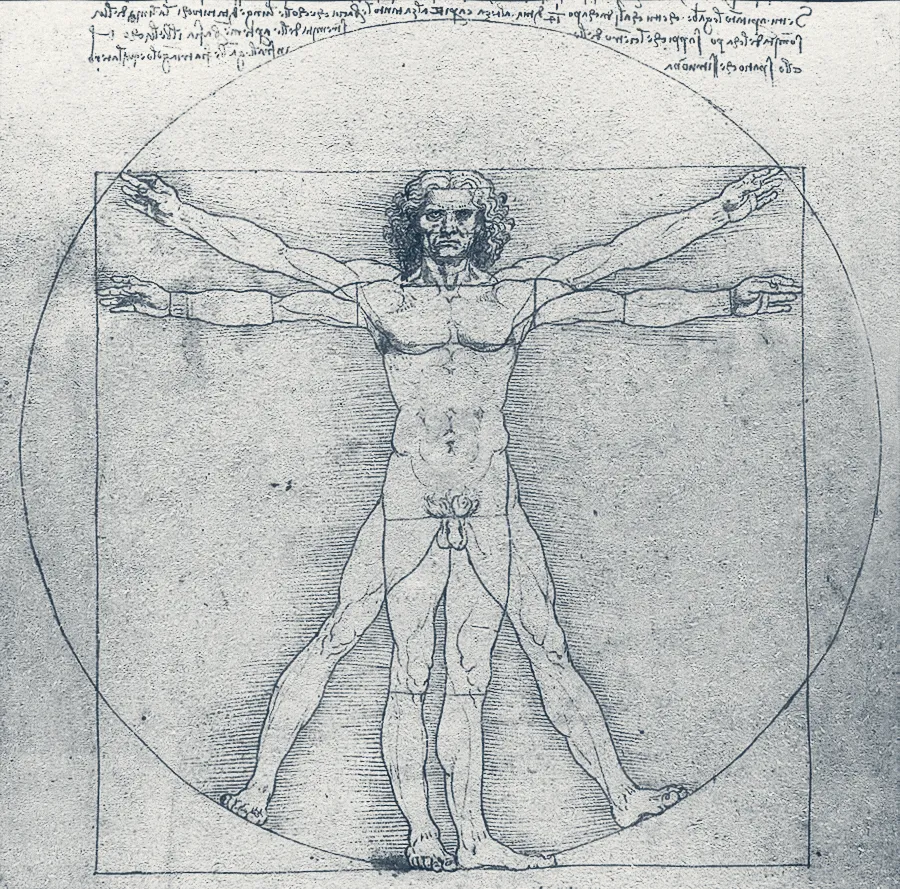
For Jung, the Self is the most important archetype and the hardest to describe. The ego is the centre of consciousness — the "I" — but the Self is the centre of the entire psyche, conscious and unconscious together. It is both the organising principle behind your development and the image of the whole person you are slowly becoming.
Jung called that lifelong process individuation: the gradual integration of Shadow, Persona, anima or animus and the other figures of the psyche into a more complete self. Dreams of the Self tend to arrive at turning points in that process, and they are often remembered for years.
“The self is not only the centre but also the whole circumference which embraces both conscious and unconscious.”
— C. G. Jung, Psychology and Alchemy
How the Self appears in dreams
- Mandalas, circles and squares
- Jung found that patients spontaneously drew and dreamed of circular, four-fold designs during periods of reorganisation. He took them as images of the Self ordering the psyche.
- A divine or miraculous child
- A child who glows, speaks with wisdom, or is in some way more than human — the Self at the beginning of something new.
- Jewels, gold, a luminous stone
- Precious, indestructible objects are traditional symbols of what is most valuable and permanent in the personality.
- A temple, a great tree, a centre
- Sacred buildings, world-trees and the centre of a city often carry the feeling of having arrived at the middle of things.
- A numinous presence
- Some dreams have no image at all, only an overwhelming feeling of meaning, awe or rightness. Jung called this quality numinous.
In myth and story
-
The Divine Comedy — Dante Alighieri
The journey ends in the celestial rose and a vision of three circles of light. Dante's Paradise is built as a mandala, and arrives only after the descent through Hell.
-
The Grail legends — Chrétien de Troyes and others
The vessel that heals the wounded king and the waste land. Emma Jung and Marie-Louise von Franz read the Grail quest as the search for the Self.
-
The Little Prince — Antoine de Saint-Exupéry
A luminous child from another world appears in the desert to a stranded pilot — the divine child in one of its strangest modern forms. Marie-Louise von Franz devoted much of The Problem of the Puer Aeternus to the book.
What it means when the Self appears
A Self dream rarely asks you to do anything. It tends to show you where you stand in relation to your own wholeness. People often wake from these dreams with a feeling of calm, gratitude or reverence that has nothing to do with the plot.
Jung warned against identifying with the Self — taking a dream of the divine child as proof that you are special. The healthier response is closer to humility: the Self is larger than the ego, and its appearance is a reminder that the conscious "I" is not the whole story.
Because these dreams are rare, they are worth keeping. Over months and years, a journal can show how Self images appear at the end of difficult periods, after the Shadow and anima dreams that precede them.
Questions to bring to the dream
- What was at the centre of the dream?
- What feeling stayed with you after waking?
- Is something in your life coming together after a long period of conflict?
- If the dream were a picture of who you are becoming, what would it be showing you?
Further reading
-
Aion: Researches into the Phenomenology of the Self — C. G. Jung
Collected Works 9ii, chapter 4, "The Self"
-
Psychology and Alchemy — C. G. Jung
Collected Works 12, including a long series of one patient's mandala dreams
-
The Grail Legend — Emma Jung
Completed by Marie-Louise von Franz
Open Library lends many of these online for free; WorldCat shows the libraries near you that hold a copy.