Jungian archetype
The Anima and Animus in Dreams
The stranger who knows the way down. The inner other who leads toward the soul.
What is the anima and animus?
Jung described the anima as the inner feminine image in a man and the animus as the inner masculine image in a woman. Many contemporary Jungians read the idea less literally: as the "other" within anyone — the part of the psyche that is most unlike the conscious personality, and therefore the best guide to what consciousness is missing.
Where the Shadow lives just behind the ego, the anima or animus stands further in. Jung called it the bridge to the deeper unconscious. It often arrives as someone fascinating: a figure who draws you, unsettles you, and seems to know something you do not. Falling in love in waking life is frequently, in his view, a projection of this figure onto a real person.
“Every man carries within him the eternal image of woman, not the image of this or that particular woman, but a definite feminine image.”
— C. G. Jung, The Development of Personality
How the anima and animus appears in dreams
- A mysterious stranger
- Someone you have never met but feel you know. They often appear at thresholds — doorways, shorelines, the edge of a forest.
- A lover or a romantic pull
- Erotic and romantic dreams about strangers are frequently read as encounters with the soul-figure rather than with any real person.
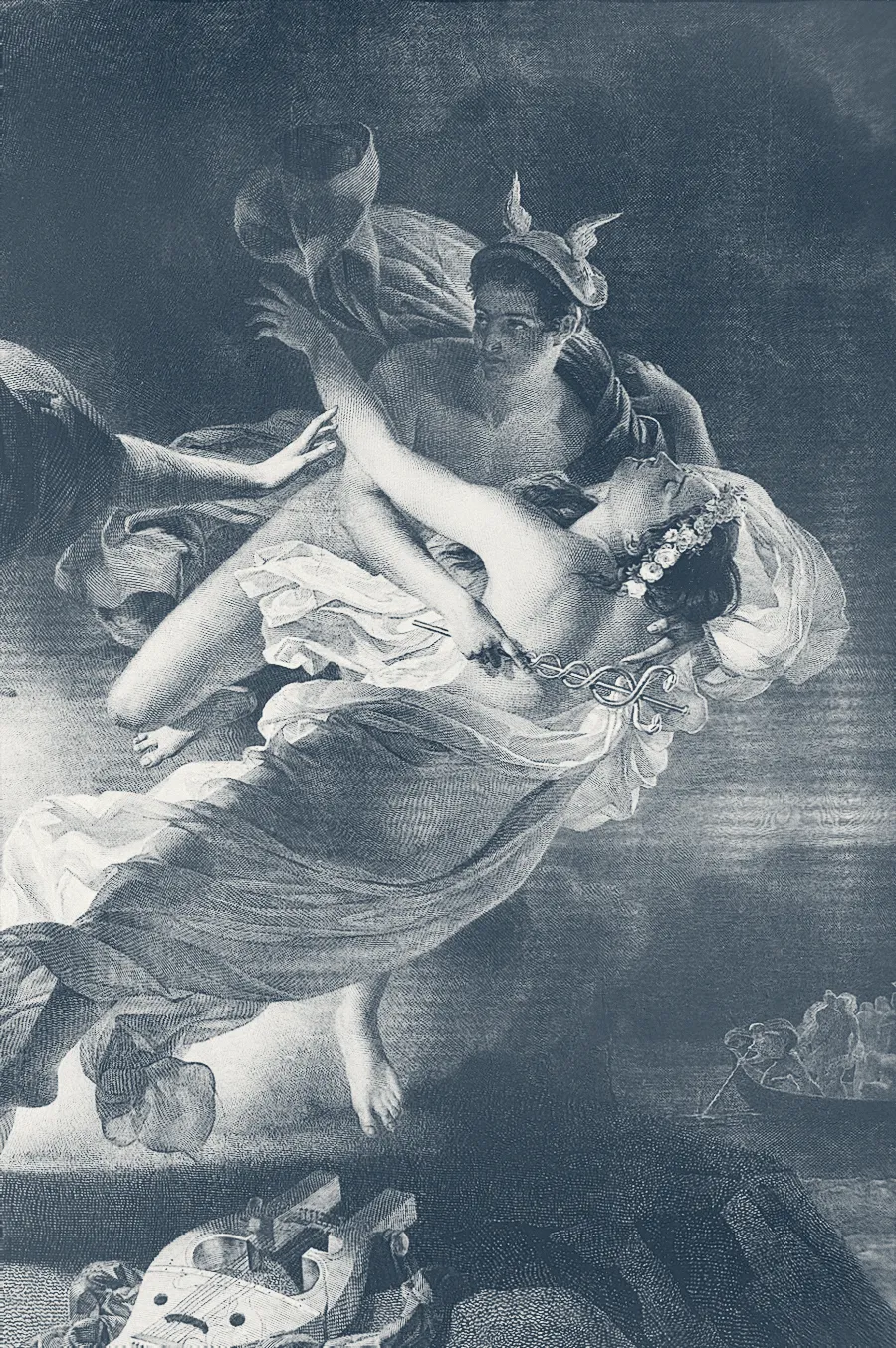
- A guide across water or into darkness
- In myth this is Beatrice leading Dante, or Orpheus descending for Eurydice. In dreams it is the companion who leads you somewhere you could not go alone.
- A seducer or a cold judge
- The figure has a negative side. A manipulative seductress or an inflexible, opinionated authority can be the same archetype when it is ignored or possessed by it.
- A voice or a muse
- Inspiration that seems to come from outside — a song in the dream, a line you wake up holding — often carries this figure's signature.
In myth and story
-
The Divine Comedy — Dante Alighieri
Beatrice, the woman Dante loved from a distance, becomes the guide who leads him up through Paradise — the anima as soul-guide in its classic form.
-
She — H. Rider Haggard
Ayesha, the immortal queen who must be obeyed. Jung returned to this novel again and again as an example of the anima's fascination and danger.
-
Beauty and the Beast — Jeanne-Marie Leprince de Beaumont
Jungian readers, including Joseph Henderson in Man and His Symbols, see the Beast as an animus figure: frightening at first, transformed by being seen and accepted.
What it means when the anima and animus appears
When this figure appears, the unconscious is usually offering a relationship rather than a lesson. The tone of the encounter matters. A guide who leads you somewhere suggests the psyche is ready for depth; a seducer or tyrant suggests that something in you is being run by moods or opinions you have not examined.
Jung believed that the work with the anima or animus comes after some reckoning with the Shadow. You first have to accept what you have disowned before you can meet what is genuinely other in you. Dreams that move from pursuers to strangers often trace that shift.
Pay attention to what the figure wants from you, and to what you feel in their presence. The longing they produce is often longing for a part of your own life that has not yet been lived.
Questions to bring to the dream
- What did the stranger seem to know that you did not?
- Where were they trying to take you?
- Which qualities did they have that you feel you lack?
- Is there someone in waking life onto whom you may be projecting this figure?
Further reading
-
Aion: Researches into the Phenomenology of the Self — C. G. Jung
Collected Works 9ii, chapter 3, "The Syzygy: Anima and Animus"
-
Animus and Anima — Emma Jung
Two short essays by Jung's wife and fellow analyst
-
Man and His Symbols — C. G. Jung
Includes Joseph Henderson's reading of Beauty and the Beast and von Franz on anima and animus
Open Library lends many of these online for free; WorldCat shows the libraries near you that hold a copy.